

Assembly with cobots
Precise joining, screwing, and plugging
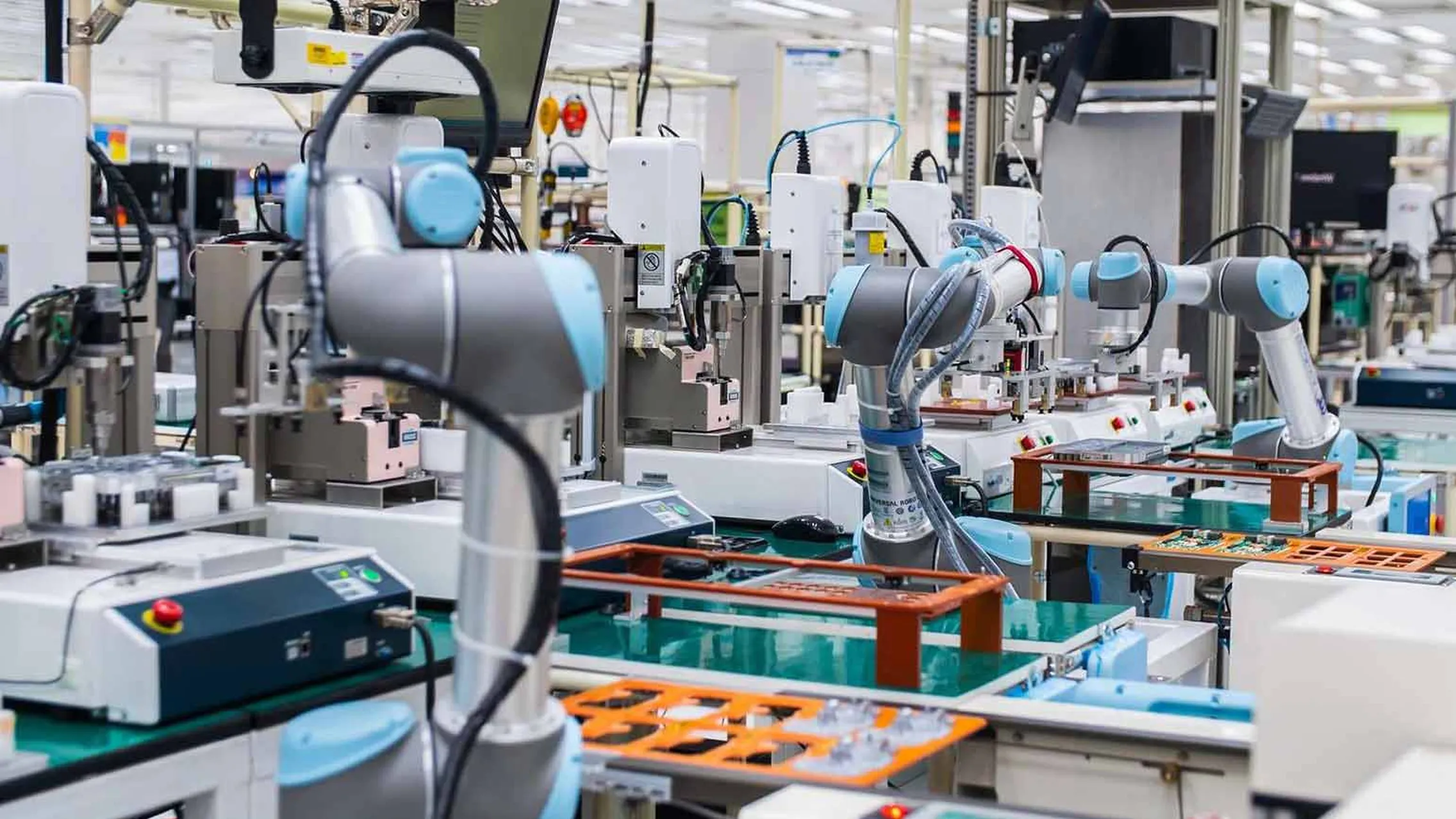
Assembly is often the area with the highest added value, but also the most labor-intensive. Tasks such as tightening small screws, clipping connections into place, or precisely joining housing components require a delicate touch. However, when performed manually, they often lead to quality fluctuations and repetitive strain injuries among employees (e.g., tendonitis).
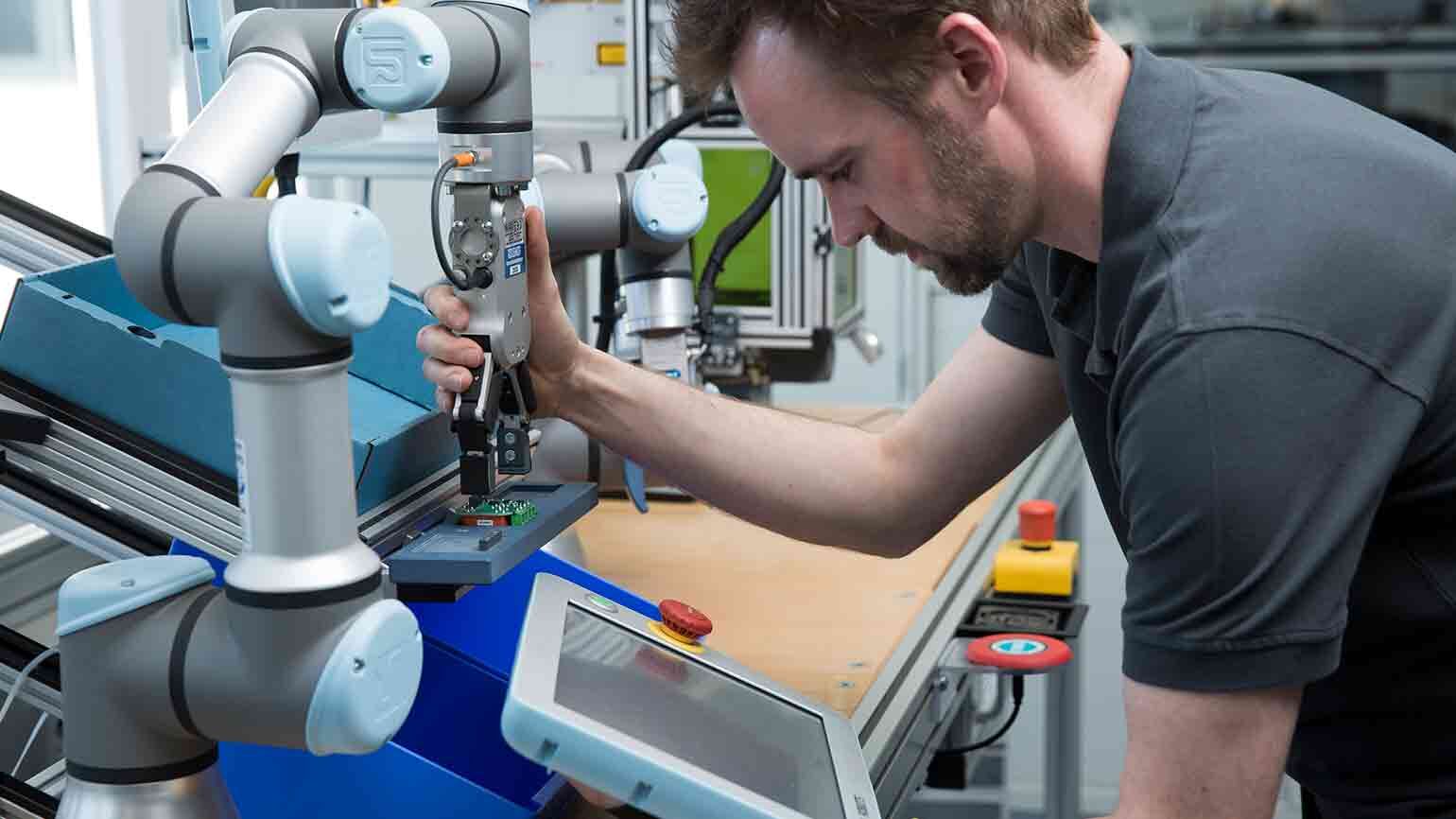
Cobots are the perfect assembly assistants. Thanks to integrated force-torque sensors, they have the necessary "dexterity" to not only move parts, but also to join them with defined force—and with a repeat accuracy of ± 0.03 mm.
Get in touch with usThe advantages
Process reliability: Is the clip really secure? Has the screw been tightened to the correct torque? The cobot monitors every step. It documents torques and press-in forces so that you can be sure that every product has been assembled identically.
Ergonomics & health: Repeated screwing or forceful pressing puts a lot of strain on the wrists. The robot takes over these unergonomic movements, while humans perform complex assembly steps or material management.
Collaborative cooperation: In assembly, humans and machines often have to work closely together. Our cobots are designed with safety in mind (according to risk assessment) to stand right next to your workers without a fence and assist them as a "third hand."
Challenges
Assembly is more complex than simple handling, as parts must interact. Parts get stuck, holes are missed. We have the technical solutions:
Tolerances in joining
If the component is not positioned exactly, it will jam when inserted. The solution: we use the cobot's integrated force control and intelligent search strategies (e.g., spiral search). The robot "feels" for the opening, senses the resistance, and corrects its position minimally until the part slides in smoothly—just as a human would do.
Missing or jammed screws
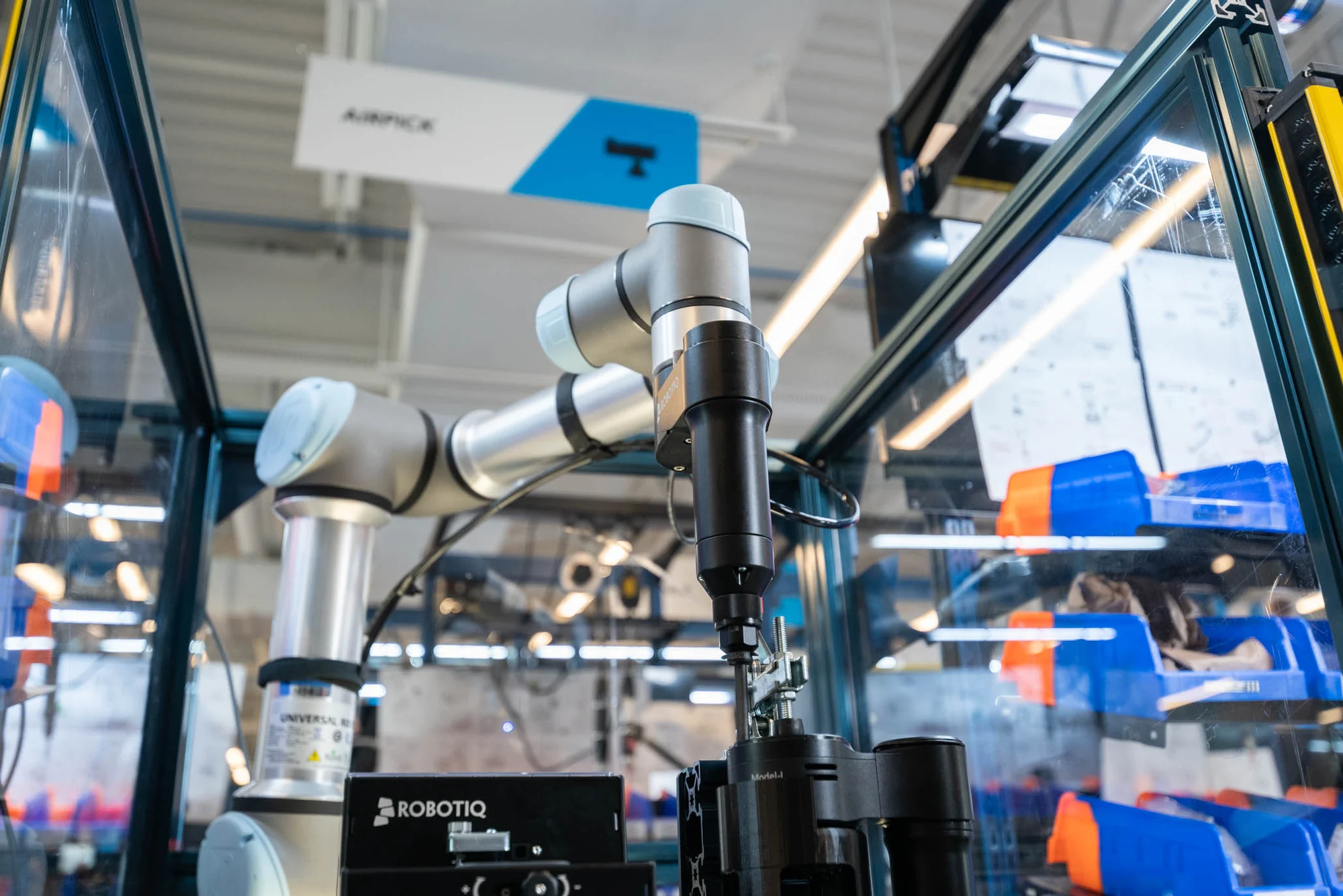
Lost a screw? Threaded incorrectly? The solution: we use intelligent screwdriving systems. These monitor the torque and angle of rotation in real time. If the screw jams or is missing, the system immediately detects the error, stops, and reports the problem instead of producing rejects.
Feeding of small parts
How do screws or clips get to the robot? The solution: we integrate the appropriate peripherals: from automatic screw feeders that deliver screws to the robot "ready to fire" to vibratory feeders that separate bulk materials.
Experience UR cobots in action
Book a cobot demoSuitable technologies
Successful assembly automation requires more than just movement. Parts must be within easy reach and the tool must be able to "feel." A blind robot would crush parts—a cobot with sensory capabilities assembles them.
We are therefore configuring a system that combines a robotic arm, end effector, and intelligent feeding technology.
The cobot
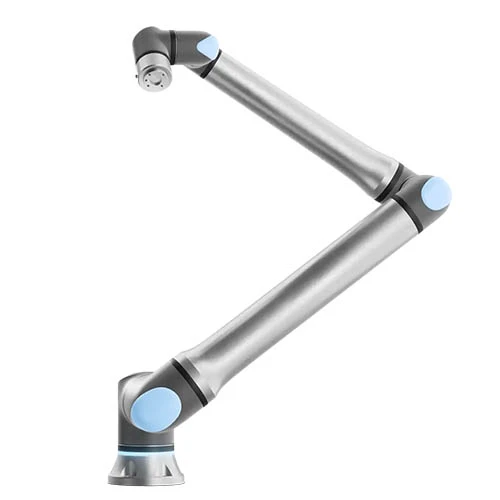
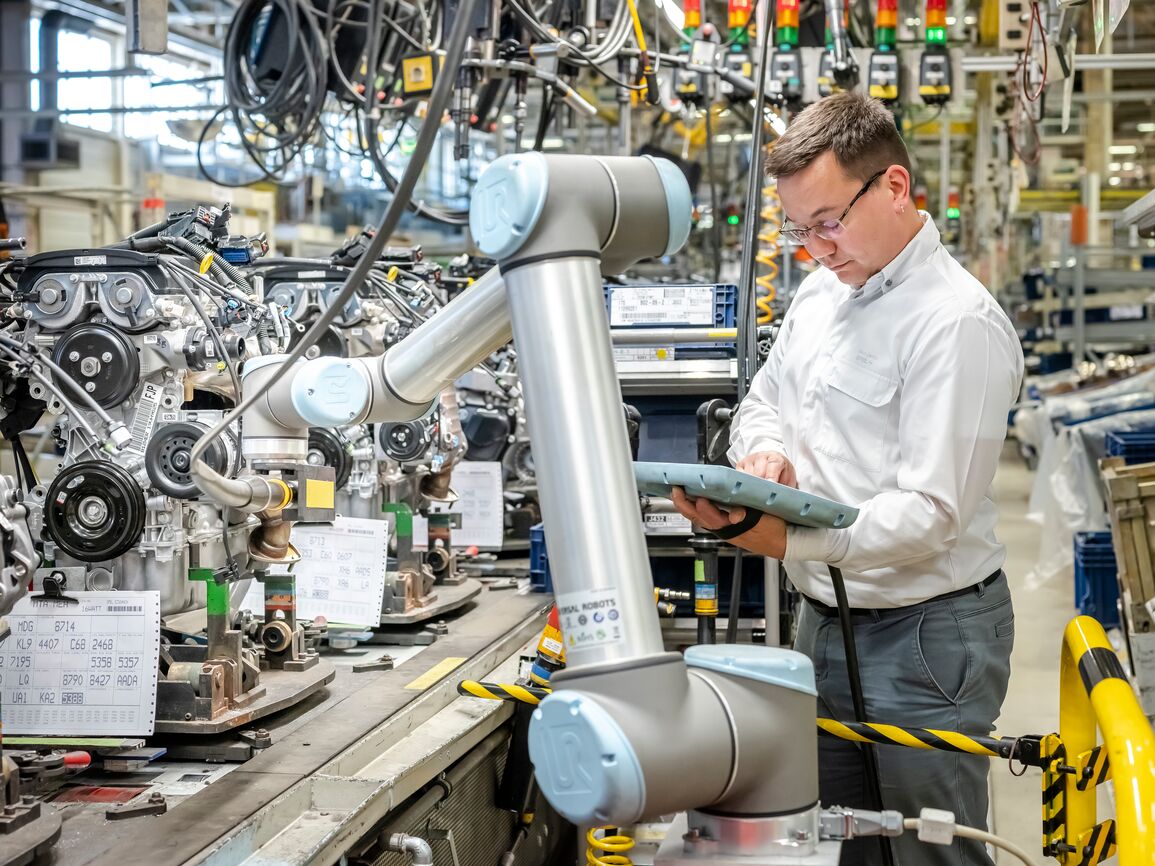
The UR3e (for electronics/small parts) and the UR5e are the favorites for assembly tasks. They are compact, extremely precise, and can be installed directly on the assembly table. Their unique selling point is the highly sensitive force/torque sensor in the joint, which makes joining processes possible in the first place.
About cobots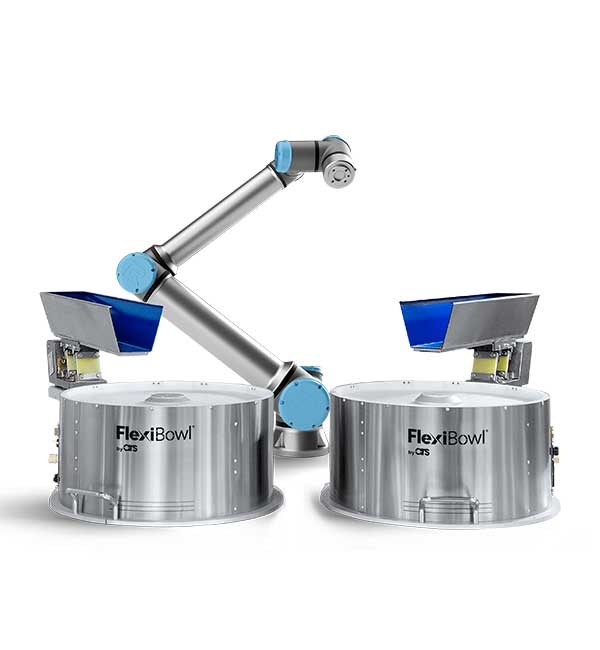
Flexible feeding
Bulk material must be separated. Instead of rigid vibrating bowls, we rely on flexible systems such as the Flexibowl.
Advantage: You can feed a wide variety of parts using the same system—ideal for frequent product changes.
Functionality: Parts (screws, springs, clips) are separated by vibration and rotation.
Intelligence: A vision system detects the position of the parts and sends the coordinates to the robot.
About the feeding systems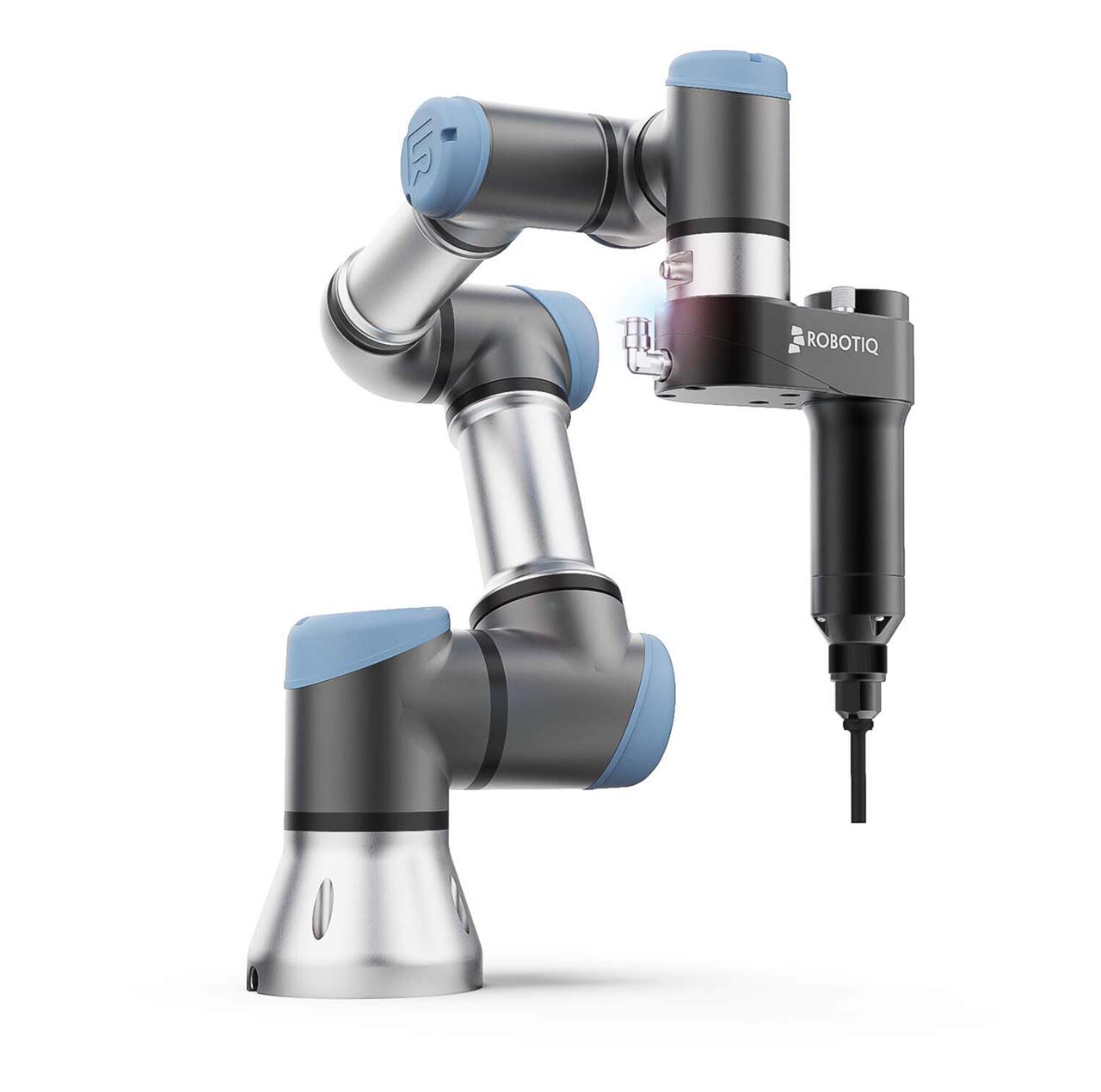
screw solutions
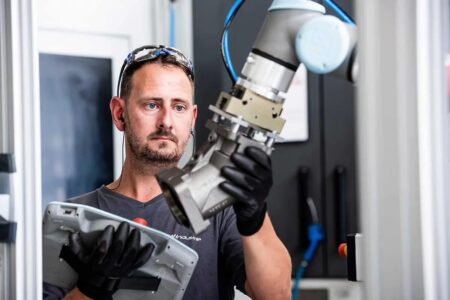
We integrate complete screwdriving kits (e.g., from Robotiq). These "all-in-one" packages include the screwdriver, automatic feed, and software ("Screwdriving Solution"). All you have to do is define the torque and position on the tablet—the system takes care of the rest.
To the screw solutions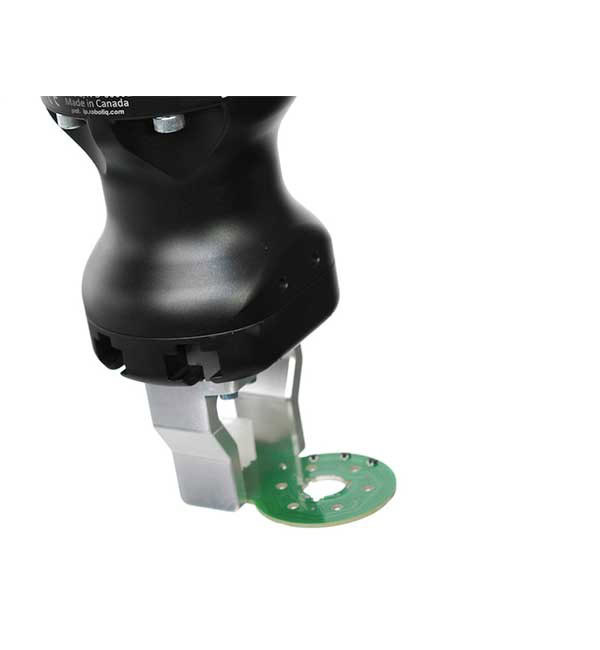
Precisiongripper
We use gripper high repeat accuracy (e.g., Robotiq Hand-E) for inserting pins or circuit boards. Electric gripper are often gripper , as their force and stroke can be precisely adjusted to avoid damaging sensitive parts.
About the gripperssolution finding
1. Process analysis We break down your operation into measurable individual steps. What torque is required? How much force is needed for clipping? What cycle time is required?
2. Component selection We select the right tool: Do we need a vacuum gripper for circuit boards or a parallel gripper for housing parts? Which screw system is suitable for your screw size?
3. Design & safety Since humans and robots often work hand in hand here, we create a safety concept. We ensure that the robot stops immediately upon contact to enable a fence-free assembly island.
4. Programming & validation We use ready-made software modules ("force insertion," "screwing") to quickly set up the application. In a test run, we validate that the assembly processes run smoothly, even if components have slight tolerances.


Get in touch with us